




 Spanish
 CALL FOR A QUOTE
 Highest Quality Lumber
 Direct From The Mill Pricing
 Statewide Delivery in Colorado

How to Protect Your Fence from Colorado's Brutal Winter: A Step-by-Step Guide
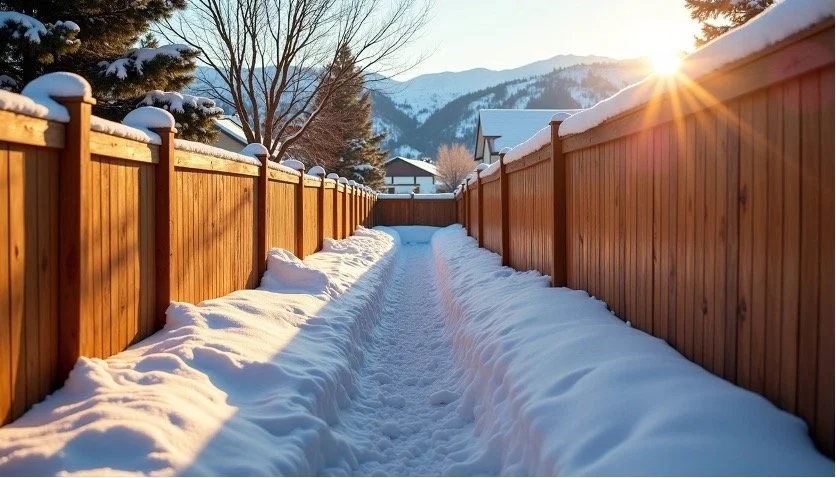
Colorado's brutal blizzards make winter fence repair unavoidable. Historic blizzards and snowstorms have tested our region's fences over the last several years. Your fence structure faces extraordinary pressure from accumulated snow and ice. Wooden fences face the worst challenges as freezing temperatures cause expansion and contraction.
Winter weather can damage fences regardless of their material. Winter storms bring strong winds that loosen panels and make posts change position. The constant freeze-thaw cycles weaken your fence's structure and stability. Even the highest quality materials break down after months of harsh weather exposure. Rocky Mountain Forest Products has witnessed wooden fences becoming most vulnerable during powerful winter storms. Any fence type needs proper protection to avoid major damage.
Your fence posts might already show winter stress signs. We have solutions to protect your investment before Colorado's harshest season arrives. This piece offers step-by-step guidance to prepare, protect, and repair your fence against our mountain climate's unique challenges. Let's prepare your fence for winter's arrival!
Inspect and Prepare Your Fence Before Winter
Your fence needs a good pre-winter inspection to avoid getting pricey damage. Fall gives you the perfect chance to spot weak points that might get worse once Colorado's harsh weather hits.
Check for loose boards, cracks, or rot
Take a walk around your fence and look closely for soft spots, termite holes, and damage that cold weather could make worse. You'll want to fix any vertical cracks in posts or boards right away. Cold temperatures can warp damaged wood by a lot. The wood that touches the ground needs special attention to catch any rot. Here's a quick test - press a screwdriver against spots that look suspicious. If it goes in easily, you've found rot that needs fixing.
Look for signs of mold or moisture damage
You can spot water damage by looking at the wood's color. Damaged sections look darker or duller than healthy ones. Watch out for warped or swollen areas, or wood that feels spongy when you press it. Green-black patches or slimy spots mean you've got mold and mildew - a sign of too much moisture that can weaken your fence. A mix of water and vinegar works well to clean these spots and stop the spread.
Repaint or reseal wood fences if needed
Want to know if your fence needs resealing? Just sprinkle some water on it. The wood needs a new coat if water soaks right in instead of beading up. Yes, it is important to reseal regularly because of Colorado's dry climate and temperature swings. Pick waterproof sealants with UV inhibitors to protect your fence from our strong sun and moisture.
Tighten or replace unstable posts
Your fence's posts are its foundation and they must stay stable through winter. Give each post a gentle push at the top - it shouldn't budge at all. A wobbly post usually means the base has started rotting where moisture collects. Check all the hardware too - hinges, screws, and brackets might have rusted or come loose over time. Fixing these problems now helps you avoid bigger headaches and extensive fence repairs in Colorado Springs when spring comes around.
These inspection steps will save Colorado homeowners time and money on winter fence repairs that often pop up from skipped maintenance.
Protect Your Fence During Harsh Weather
Your fence needs protection from Colorado's winter storms. Regular upkeep prevents damage and saves you money on repairs when spring arrives. Let me show you how to protect your investment from harsh weather.
Remove snow and ice buildup gently
Snow piling up on fence panels can add dangerous weight. You need the right tools to avoid causing more damage than good. A soft-bristled broom works better than metal shovels that might scratch the surface or damage the structure. This gentle approach keeps wooden fences from splintering and protects metal or vinyl surfaces from scratches that damage protective coatings. Stay away from harsh deicing chemicals near your fence - they can corrode metal parts and ruin wood.
Avoid piling snow near the fence
I notice many Colorado homeowners push cleared snow against their fences. This creates too much pressure on panels and posts, which leads to bending, leaning, or cracking. The snow melts and refreezes as temperatures change, seeps into tiny gaps, and expands inside the material. This causes warping or splitting. Pick a spot away from your fence line to dump snow before winter starts.
Trim nearby trees and branches
Winter makes overlapping tree limbs dangerous. Snow and ice can weigh down branches until they snap without warning and damage your fence. Take time to trim any branches that hang over or near your fence line before winter arrives. This protects your fence from falling limbs and stops melting snow from dripping onto it after storms. Clear debris and leaves from the base
Snow can bury organic debris like fallen leaves, pine cones, and yard clippings. The trapped moisture leads to mold, mildew, and rot at the base of fence posts. Your fence posts will last longer if you clear away this material before snow builds up. This helps air flow properly around the fence and protects post foundations.
Address Common Winter Fence Issues
Colorado's extreme winter conditions create specific fence problems that need immediate attention, even with good preparation. A better understanding of these problems helps you protect your fence and make it last longer.
Watch for moving posts from freeze-thaw cycles
The soil expands and contracts during freezing and thawing cycles, which makes fence posts lean and shift position. This frost heave occurs because water in the soil freezes into ice lenses that push upward with massive force. Your posts need immediate attention if they wobble or show gaps at their base. The hardware needs a quick check since screws can come loose and brackets can move as temperatures change. You can prevent major structural issues by tightening connections quickly.
Prevent rust on metal fences with sealants
Winter brings accelerated corrosion to metal fences due to moisture, road salt, and de-icers. Your investment needs protection through these steps:
Apply a rust-inhibiting primer followed by durable paint or sealant
For ornamental iron fences, use automotive-grade wax or clear metal sealer
Rinse periodically to remove corrosive salt residue
Address rust spots immediately using a wire brush, then apply rust converter
Use snow fences or barriers to add protection
Mutually beneficial alliances with barriers can stop too much snow from piling up around your main fence. Living snow fences (rows of plants) capture up to 12 times more snow than traditional barriers and last 40-50 years compared to 7-20 years for slatted fences. Structural snow fencing with synthetic rails and posts works well to manage drifting snow.
Avoid hanging decorations that add weight
Winter decorations look festive but often damage fences. Your fence might sag, bend, or break from extra weight caused by decorations and accumulated snow. You should choose lightweight, weather-resistant decorations if needed. The fence surfaces need regular snow removal to prevent warping and damage, even without decorations.
Post-Winter Fence Care and Repairs
Your fence investment needs a full picture after winter ends to ensure it lasts longer.
Inspect for damage after snow melts
The snow's final melt signals time to get into my fence for winter damage. I look for warped boards, rotting sections, and loose fence posts that might have changed position from frost heave. I also check for gaps forming at the base—these early warning signs point to structural failure. The soil around foundation posts needs checking to confirm they stay lined up properly.
Clean off dirt, salt, and mildew
A good spring cleaning stops winter grime from causing more damage. A pressure washer at 600-700 psi removes stubborn dirt without harming the wood. Dark patches or greenish growth need a mild bleach-water solution to tackle mold and mildew. Metal fences need quick cleaning to remove salt residue that speeds up rust formation. Repair or replace damaged sections
Quick action on damage stops small problems from getting pricey later. Splintering, warping, or rotting areas need quick fixes. The fence posts serve as your system's foundation, so their structural integrity matters most. You can save money by restaining just the faded sections instead of the whole fence.
Professional fence repair in Colorado Springs
Some structural issues need expert help. Fence professionals can spot problems with leaning posts or large cracks and suggest affordable solutions for lasting results. Professional repairs can add up to twelve years to your fence's life, making them a smart long-term investment.
Conclusion
Your fence needs protection from through preventative maintenance and quick response to weather events. A fence serves as your property boundary and represents a major investment. It needs proper care to survive Colorado's brutal winters.
Good preparation makes the difference between small touchups and replacing the entire fence. A fall inspection helps you fix minor issues before winter turns them into pricey repairs. Snow management during winter months also prevents extra stress on your fence's structure.
Colorado's weather patterns can change fast. You need to stay on top of snow removal, avoid overloading with decorations, and check for moving posts after freeze-thaw cycles. These steps will extend your fence's life by a lot.
Each fence material faces its own winter challenges. Wood needs protection from moisture, while metal must be defended against rust and corrosion. Whatever type of fence you have, gentle cleaning and the right protective coatings guard against our harsh elements.
Spring gives you the perfect chance to get a full picture and make repairs. Quick action on winter damage stops it from spreading through your fence system.
These protection strategies help your fence stand up to Colorado's toughest weather. They also help you keep its structure sound and looks intact for years. Winter creates big challenges for fence durability, but the right prep and care turn this threat into a normal seasonal task.
Key Takeaways
Protecting your fence from Colorado's harsh winters requires proactive preparation, ongoing maintenance, and post-winter care to prevent costly damage and extend your fence's lifespan.
• Inspect and prepare before winter arrives - Check for loose boards, rot, and moisture damage in early autumn, then reseal or repaint as needed to prevent minor issues from becoming major problems.
• Manage snow buildup carefully during storms - Remove snow gently with soft-bristled brooms, avoid piling snow against fence lines, and trim overhanging branches to prevent structural damage.
• Address freeze-thaw cycle damage promptly - Watch for shifting posts and apply rust-prevention treatments to metal fences, as Colorado's temperature fluctuations can cause significant structural issues.
• Conduct thorough post-winter inspections - Clean off salt and debris after snow melts, repair damaged sections immediately, and consider professional help for structural problems to maximize fence longevity.
Different fence materials face unique winter challenges - wood needs moisture protection while metal requires rust prevention - but following these seasonal maintenance steps can help any fence withstand Colorado's brutal mountain climate for years to come.
FAQs
Q1. How can I protect my fence from Colorado's harsh winter weather? To protect your fence in winter, trim nearby branches, remove snow gently with a soft-bristled broom, avoid piling snow against the fence, and clear debris from the base. For wooden fences, apply a waterproof sealant before winter arrives.
Q2. When is the best time to install a fence in Colorado? The best time to install a fence in Colorado is during spring or early summer when temperatures are consistently above 50°F. This allows concrete to cure properly and prevents issues caused by freezing temperatures.
Q3. What type of fence material is most suitable for Colorado's climate? Vinyl fencing is highly resistant to Colorado's harsh weather conditions. Wood fences with metal posts also perform well. For any material, proper maintenance and weatherproofing are essential to withstand temperature fluctuations and moisture.
Q4. How often should I inspect my fence for winter damage? Inspect your fence thoroughly in early spring after the snow melts. Look for signs of warping, cracking, or shifting posts. It's also wise to check periodically during winter, especially after major storms, to address any immediate issues.
Q5. Can I pour concrete for fence posts during Colorado winters? It's not recommended to pour concrete for fence posts during Colorado winters. Concrete needs temperatures above 50°F to cure properly. Pouring in cold weather can lead to weak concrete and unstable fence posts. Wait until spring for best results.
