




 Spanish
 CALL FOR A QUOTE
 Highest Quality Lumber
 Direct From The Mill Pricing
 Statewide Delivery in Colorado

11 Critical Fence Maintenance Tasks for Colorado Homeowners in 2026
TLDR;
Colorado's brutal weather beats up fences fast. But smart maintenance keeps your fence strong for 15-25 years and saves you thousands on replacements!
• Check for damage right after winter ends - Those 20-30 freeze-thaw cycles hit Colorado hard, creating 5 specific damage patterns you need to catch early.
• Seal your wood fence every 2-3 years - Colorado's high altitude means 12% more UV damage per 1,000 feet of elevation. Your fence needs that protection!
• Fix water problems before they fix your budget - Smart grading with 3% slope and French drains stop 75-90% of water damage at ground level.
• Clean debris twice a year, minimum - All that stuff piling up traps moisture and speeds up rot in wood, rust in metal.
• Get ready for winter before first frost hits - Seal, repair, and strengthen now. Your fence will thank you when the snow starts flying.
Break these 11 tasks across the seasons and you'll stay ahead of Colorado's tough climate. Your fence investment deserves this protection!
| Task name | Frequency/timing | Primary purpose | Key actions | Colorado-specific challenges |
|---|---|---|---|---|
| Inspect your fence for winter damage | Right after winter ends | Stops minor issues from turning into expensive replacements | Walk the whole fence line, push posts firmly at top, check hardware details, check gate functionality, probe wood with screwdriver | 5 distinct damage patterns from freeze-thaw cycles; frozen ground movement causes foundation shifts |
| Clean and remove debris buildup | 2 times per year minimum (spring and fall); monthly hose spray | Stops moisture retention that speeds up deterioration | Spray with garden hose, scrub with soft-bristled brush and soapy water, use pressure washer at 2,000 PSI for vinyl | Debris traps water and causes rot in wood, rust in metal, and mold growth in shaded areas |
| Seal and protect wood fence surfaces | Every 2–3 years; perform splash test to verify need | Takes fence lifespan from less than 10 years to 15–20 years | Clean fence thoroughly, apply sealant with brush/roller/sprayer in 50°F–90°F temperatures, work top to bottom | Intense UV exposure at high elevation causes severe wood fading and fiber breakdown |
| Apply rust protection to metal components | As needed | Stops corrosion in 5 specific locations prone to rust | Remove rust with wire brushes or 120–220 grit sandpaper, apply phosphoric acid converters, coat with zinc-rich primers | Winter road salt increases corrosion rates; freeze-thaw cycles crack protective coatings; high-altitude UV degrades treatments faster |
| Trim vegetation and manage growth | As needed | Stops moisture trapping, structural damage, and root disruption | Maintain 1–2 foot buffers around fence lines, cut branches to collar, space garden beds 18–24 inches from fence | Vines trap moisture and speed up rot; root systems push posts and cause instability |
| Check and repair loose posts and panels | As needed | Keeps structural integrity intact before spring moisture speeds up deterioration | Shake posts firmly (movement exceeding ¼ inch signals problems), probe wood with screwdriver, reset loose posts by digging 6–8 inches around perimeter | Freeze-thaw cycles repeat 20–30 times per Colorado winter; frozen soil expands and pushes posts upward |
| Address moisture and drainage issues | Monitor weekly during rainy seasons; clear debris quarterly | Achieves 75–90% drainage efficiency with correct installation | Grade landscapes with 3% slope away from fence, install French drains, extend downspouts, create gravel barriers | Standing water speeds up rot at ground level where wood contacts saturated soil |
| Treat and prevent pest infestations | As needed | Eliminates 5 destructive insect species that cause structural damage | Apply borate-based treatments, spray residual insecticides, inject foaming aerosols into galleries, maintain 12–24 inch vegetation clearance | Termites, carpenter ants, powderpost beetles, carpenter bees, and horntail wasps attack wood fences |
| Restore and touch up paint or stain | Every 3–5 years for direct sun exposure | Stops UV damage and maintains protective barrier | Sand with 120–150 grit sandpaper, work in 50°F–90°F temperatures, apply thin coats following grain, allow 24–48 hours drying between coats | High altitude increases UV penetration and accelerates paint degradation by 12% per 1,000 meters; paints lose up to 40% of color intensity within 3–5 years |
| Reinforce fence for winter weather | Complete during fall before first frost; inspect every few weeks after major storms | Stops damage from 3 severe challenges (snow accumulation, freeze-thaw cycles, temperature fluctuations) | Apply weatherproof sealant, clean surfaces with soap and water, repair existing damage, lubricate hinges and latches | Snow and ice accumulation adds weight and causes panels to bow or collapse; freeze-thaw cycles widen cracks over time |
| Perform cedar fence maintenance and care | 1–2 times annually during spring and fall; seal every 2–3 years | Takes cedar fence lifespan to 15–25 years with proper maintenance | Clean with mild detergent and soft sponge, seal both sides of boards, wait 3–6 months after installation before original sealing | Cedar breaks down faster under Colorado's intense UV exposure; ground-level sections face maximum rot risk; cedar fades to silvery-gray within one season without treatment |
Check Your Fence for Winter Damage
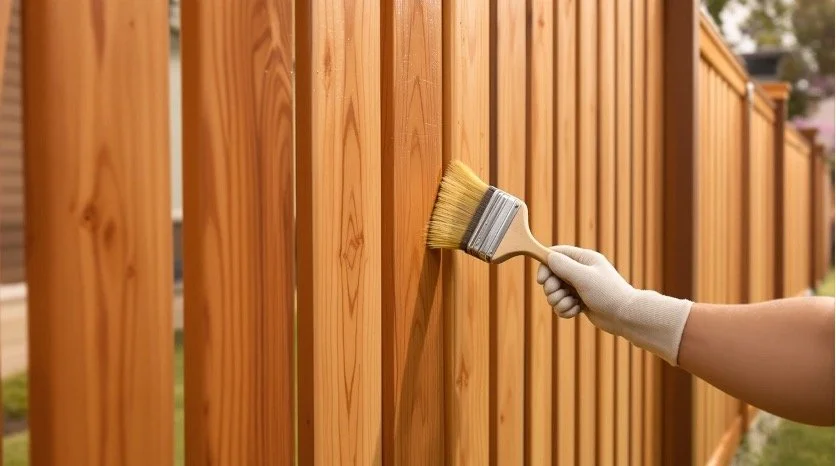
Image Source: Lumber Yard in Denver - RMFP
Know What Winter Does to Colorado Fences
Winter hits Colorado fences hard, creating damage patterns you need to spot early. Wood surfaces crack and split when moisture expands during freeze cycles. Metal components show rust spots, especially where joints meet fasteners. Vinyl fences get brittle and crack when temperatures drop. Posts lean or wobble when frozen ground shifts their foundation. Soft, spongy spots on wooden posts mean rot has started, while discoloration and mold tell you moisture got through your fence's defenses.
Why You Can't Wait Until Spring
Smart homeowners know that catching problems right after winter saves serious money. One rotted post costs far less to fix than waiting until rot spreads through multiple sections. Get ahead of these issues now, before spring moisture turns small problems into expensive replacements. Your fence's structural integrity depends on early action.
How We Inspect Fences the Right Way
Walk your entire fence line from both sides - you'll see different damage from each angle. Push each post firmly at the top to test how stable it really is. Look over your hardware carefully for loose screws, missing nails, and corroded brackets. Test every gate by opening and closing it to make sure it operates smoothly and latches properly. Take a screwdriver and probe any suspicious wood areas. If it penetrates more than 1/4 inch, you've found significant rot.
Where Problems Hide
Focus your attention where fences meet ground level - moisture loves to collect there and speed up decay. Posts set in concrete need close examination because cracks expand during our freeze-thaw cycles. Gate hinges and latches take a beating from winter weather and constant use, making them prone to misalignment and rust formation.
Clean and Remove Debris Buildup
What's Building Up on Your Fence
Your fence collects debris in 4 main ways throughout the year. Dirt, grass clippings, and bird droppings stick to fence surfaces no matter what material you have. Leaves pile up at the base, creating perfect moisture traps against your posts and panels. Mold, mildew, and algae love those shaded spots where Colorado sun can't reach them. Vines and plant matter grab onto fence surfaces and won't let go, keeping everything damp.
Here's Why That Debris is Wrecking Your Fence
Trapped moisture speeds up damage to every type of fencing material. When debris holds water against wood surfaces, you're looking at rot and decay. Your metal components start rusting wherever moisture sits on steel or iron parts. Mold and mildew actually break down wood fibers, making your fence weaker over time. Plus, all those accumulated leaves create perfect homes for insects and pests that'll cause even more problems.
The Right Way to Get Your Fence Clean
Vinyl fences are easy - spray them down with your garden hose, then scrub with and a soft-bristled brush. Wood fences need gentler treatment with mild detergent mixed in warm water, applied with a sponge so you don't damage the surface. Metal and chain-link? Soapy water and gentle scrubbing works great. Got a pressure washer? Keep it at 2,000 PSI for vinyl, but don't even think about using high settings on wood.
Your Cleaning Schedule
Clean your fence at least 2 times per year to stay ahead of buildup. Spring cleaning gets rid of winter's mess, while fall cleaning gets you ready for Colorado's harsh weather ahead. Give your fence a quick hose-down monthly between those deep cleans.
Seal and Protect Wood Fence Surfaces
Choosing the Right Sealant
Wood fence sealants come in 4 transparency levels, and picking the right one makes all the difference for your Colorado fence. Clear sealers keep your wood's natural beauty intact with minimal pigment, but they offer the least UV protection and need annual reapplication. Semi-transparent stains give you moderate color while still showing off that beautiful wood grain - they'll protect your fence for 2 to 3 years on vertical surfaces. Solid stains deliver maximum coverage and UV protection, lasting 3 to 5 years, though they'll hide your wood grain completely. Oil-based sealants penetrate deeper into wood fibers and fight UV damage better than water-based options, while water-based formulas dry faster and clean up easier.
Why Sealing is Critical in Colorado
Here's what every Colorado homeowner needs to know: Colorado's intense UV exposure at our high elevation causes severe wood fading and fiber breakdown. Your unsealed wood absorbs moisture from our unpredictable rain and snow, leading to rot, warping, and cracking. The good news? Sealed fences resist mold and mildew growth by limiting moisture absorption. Proper sealing extends your fence lifespan from less than 10 years to 15-20 years - that's a smart investment!
Application Process
Start by cleaning your fence thoroughly before applying any sealant - this ensures proper penetration. Apply your sealant with a brush, roller, or sprayer when temperatures are between 50°F and 90°F. Work in small sections along vertical boards from top to bottom to prevent lap marks. Take your time with this step - it's worth doing right!
How Often to Reseal
Plan to reseal your wood fence every 2 to 3 years to maintain that protection. Here's a quick test: sprinkle water on your fence. If water absorbs rapidly instead of beading up, it's time to reseal. Simple as that!
Apply Rust Protection to Metal Components
Identifying Rust-Prone Areas
Your metal fence faces rust attacks in that need immediate attention. Gates get the worst beating - constant swinging scratches away protective coatings and exposes bare metal to Colorado's moisture. Check those hinges and latches where different metals meet - water loves to hide in these joints. Don't forget your fasteners! Screws, bolts, and brackets lose their zinc protection faster than you'd think. Ground-level posts stay wet from soil contact, speeding up that ugly orange oxidation. Welded joints create perfect little pockets where water sits and does its damage.
Why Colorado's Climate Accelerates Rust
Here's what makes Colorado so tough on metal fences. Road salt from winter maintenance kicks rust formation into overdrive - that stuff is brutal on metal surfaces. Our famous freeze-thaw cycles crack protective coatings and let moisture sneak underneath. Plus, our high-altitude sun beats down harder, breaking down surface treatments faster than at sea level.
Treatment and Prevention Methods
Time to fight back! Grab some wire brushes or 120-220 grit sandpaper and scrub off existing rust before applying anything. For stubborn spots, phosphoric acid rust converters work magic - they turn rust into a paintable black surface. Finish with zinc-rich primers that protect your steel by corroding first - pretty clever, right?
Best Products for Colorado Weather
Zinc-rich primers give you 15-20 years of galvanic protection when maintained properly. Urethane topcoats add serious chemical resistance and UV protection to extend your metal's life. Powder coating delivers 4 times thicker protection than regular paint and resists chipping for 10-15 years. Your fence will thank you!
Trim Vegetation and Manage Growth
What You Need to Trim Back
Your fence faces attacks from 3 types of vegetation that spell trouble for your investment. Tall grasses, thistles, and weeds might look harmless, but they spread seeds and establish root systems that damage fence foundations. Vines like poison ivy, honeysuckle, and Virginia creeper grab onto your fence and pull it down with their weight. Trees and saplings growing within 6-8 feet of your fence extend roots underground that push against posts and create instability.
How Plants Attack Your Fence
Here's what happens when vegetation takes over your fence line. Vines trap moisture against wood surfaces, speeding up rot and decay. Twining vines wrap around fence structures like a slow-motion stranglehold, while aerial rootlets work their way into small cracks and cause paint to peel. Plants get heavier over time, creating sagging and tension problems that compromise your fence's strength. Underground, root systems push relentlessly against fence posts, causing the kind of structural instability that leads to expensive repairs.
Smart Trimming Techniques
You can protect your fence with the right approach to vegetation control. Operate string trimmers carefully to avoid damaging your fence while clearing unwanted growth. Cut branches back to the collar or swollen base where they connect to larger limbs for healthy pruning. Remove those sneaky tendrils that penetrate cracks or joints before they cause expansion damage.
Creating Safe Clearance Zones
Give your fence room to breathe! Maintain 1-2 foot buffers under and around your fence lines to prevent vegetation contact. Space your garden beds 18-24 inches from fence structures so air can flow freely. Position small trees 6-8 feet away from your fence, while larger species need 15-20 feet of separation to keep those roots from causing problems.
Check and Repair Loose Posts and Panels
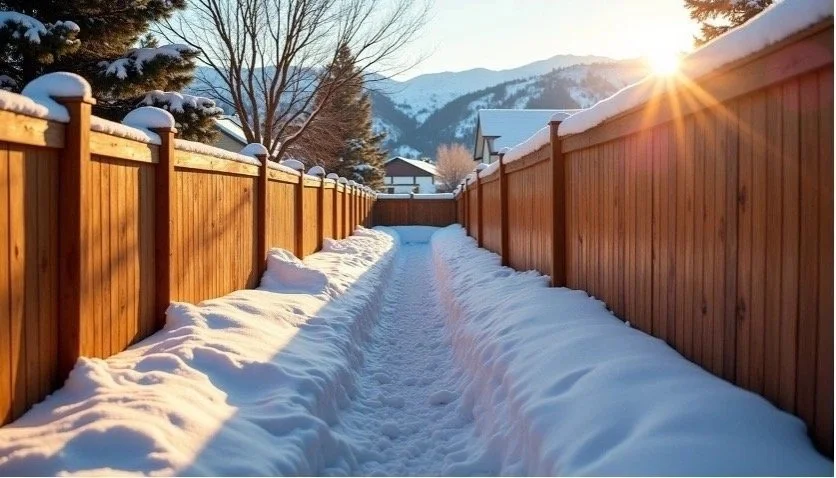
Image Source: Lumber Yard in Denver - RMFP
Signs Your Posts Need Attention
Your fence posts tell you exactly what's wrong if you know how to look. Grab each post at the top and give it a firm shake - any means you've got foundation problems that need fixing now. Posts that lean away from vertical alignment show you where Colorado's tough winters have taken their toll. Here's a simple test: press a screwdriver into the wood near ground level. If it sinks in easily, rot has compromised your post's strength. Watch for panels that sag or pull away from posts - that's your fence telling you it can't hold the weight anymore.movement exceeding 1/4 inch
Colorado Winters Work Against Your Fence
Our freeze-thaw cycles hit fence posts hard. Frozen soil expands and pushes posts upward, then everything settles unevenly when it thaws. This happens 20-30 times every Colorado winter, creating gaps around your concrete footings. Posts installed above the frost line get hit the worst. Those concrete footings crack from all that repeated expansion pressure, and that's when posts start wobbling.
How to Fix Loose Posts
Reset loose posts by digging 6-8 inches around the perimeter until you can move the post freely. Pour fresh concrete around shifted posts to lock them back in place. Metal post menders work great - just drive them between the post and existing concrete base. Need a quick fix? Brace leaning posts temporarily with diagonal supports anchored 24-36 inches from the base.
Replace or Repair - Making the Right Call
Replace any post where rot affects more than one-third of the structure. Posts with minor wobbling or surface damage? Those you can repair. When multiple posts are failing, you're looking at systemic problems that need complete replacement.
Address Moisture and Drainage Issues
Spotting Water Damage on Your Fence
Water damage shows up in 5 telltale ways that every Colorado homeowner should recognize. Gray or black discoloration means water intrusion and mildew growth have already started. Twisted or sagging boards signal warping from those moisture absorption cycles we see so often here. Green or brown patches reveal mold colonization taking hold in damp conditions. Soft, spongy areas at post bases confirm rot that's eating away at your fence's foundation. Standing water near your fence lines creates the perfect storm for accelerated damage.
Why Drainage Makes or Breaks Your Fence
Here's what we know about moisture control - it directly determines how long your fence will last and how well it holds up to Colorado's weather . Quality drainage systems achieve structural integrity 75-90% drainage efficiency when you get them right. Water pooling around posts speeds up rot formation, especially at ground level where your wood meets saturated soil. That standing water becomes a magnet for mosquitoes, ants, and termites that'll cause even more damage to your fence structure. Skip proper drainage, and that water heads straight for your home's foundation, causing basement leaks and crawl space moisture problems.
Smart Solutions for Water Management
Grade your landscape with a 3% slope away from your fence to stop water from collecting where it shouldn't. Install French drains with perforated pipes surrounded by gravel - they'll channel that excess water exactly where you want it to go. Extend those gutter downspouts away from your fence lines to eliminate the concentrated runoff that causes so much trouble. Create gravel barriers around your fence perimeter to boost drainage and cut down on moisture retention.
Staying Ahead of Water Problems
Check moisture levels weekly during our rainy seasons and after storms hit. Clear debris from your drainage pathways every three months to prevent those annoying blockages. Adjust your soil grading whenever you notice low spots developing near fence posts.
Treat and Prevent Pest Infestations
Wood-Eating Pests Target Colorado Fences
Your fence faces attacks from 5 destructive insect species that cause serious structural damage. Termites eat wood from the inside out - drywood termites go after dry lumber while subterranean termites need soil contact. Carpenter ants tunnel through wood to build their nests without actually eating it. Powderpost beetles lay eggs inside untreated wood, where larvae feed and grow for months or even years. Carpenter bees drill perfect round holes into fence posts for nesting. Horntail wasps bore into dying wood and introduce wood-rotting fungus while they deposit eggs.
Spotting the Warning Signs
Tap your wooden posts - hollow sounds mean termite colonies are eating away at internal structures. Look for fine sawdust piles at fence bases, which signal carpenter ant activity. Those perfectly round holes measuring 3/8 to 1/2 inch? That's carpenter bees at work. White powder near small exit holes confirms powderpost beetle problems. Wood that crumbles when you press it shows advanced termite damage.
Fighting Back Against Pests
Apply borate-based treatments like BoraCare to kill and stop wood-destroying insects. Spray residual insecticides on fence surfaces to eliminate pests as they emerge. Inject foaming aerosols directly into galleries and cavities where insects are nesting.
Stop Problems Before They Start
Install treated wood that naturally resists pests, rot, and decay. Keep vegetation cleared 12-24 inches around your fence perimeter to cut off pest pathways. Seal up cracks and holes right away to prevent pest entry and moisture problems.
Restore and Touch Up Paint or Stain
Image Source: Rocky Mountain Forest Products
Assessing Paint Condition
Your fence tells you exactly when it needs fresh paint or stain. Faded color looks washed out and uneven from Colorado's intense sun exposure. Peeling or flaking happens when the protective barrier starts breaking down and lifts away from the wood. Gray patches expose bare wood that's taking direct UV damage. Check those horizontal boards first - they fade faster than anything else on your fence.
Why Colorado's Sun Destroys Paint Faster
Here's something most homeowners don't realize: Colorado's high altitude lets more UV rays through, speeding up paint breakdown by 12% for every 1,000 meters of elevation. Your fence paint loses up to 40% of its original color within just 3-5 years without proper UV protection. UVA radiation works slowly, breaking down pigments year after year, while UVB radiation attacks the surface coating much faster.
Preparation and Application
Sand those problem spots with 120-150 grit sandpaper before you apply anything new. Work when temperatures hit that sweet spot between 50°F and 90°F for the best results. Apply thin, even coats following the wood grain to prevent drips and runs. Give each coat 24-48 hours to dry completely before adding the next one.
Choosing Products That Last
UV-resistant acrylic latex paints with built-in UV inhibitors keep their color for 8-10 years. Look for inorganic pigments like titanium dioxide and iron oxide - they resist fading much better than organic pigments. Your fence deserves protection that matches Colorado's challenging climate!
Reinforce Fence for Winter Weather
Get Your Fence Winter-Ready Now!
Winter prep isn't optional in Colorado - it's essential! You need 4 core preparations completed before that first frost hits. Apply weatherproof sealant or stain to create moisture barriers on wood surfaces. Clean fence surfaces thoroughly using soap and water to remove dirt that traps moisture during winter months. Inspect and repair existing damage like loose boards, cracks, and rust before cold weather worsens these conditions. Lubricate gate hinges and latches with weather-resistant products to prevent freezing.
Colorado Winters Hit Fences Hard
Our state's climate creates 3 severe challenges your fence faces every year. Snow and ice accumulation adds weight that causes panels to bow, sag, or collapse under pressure. Freeze-thaw cycles occur when moisture penetrates small gaps, freezes overnight, and expands to widen cracks progressively. Fluctuating temperatures cause materials to contract and become brittle, leading to breakage.
Smart Reinforcement Strategies
Strengthen posts by adding support braces attached diagonally from post to ground, reducing stress until permanent repairs occur. Clear snow gently using soft-bristled brooms rather than metal shovels that scratch surfaces. Trim tree branches hanging over fence lines to prevent them from breaking under snow weight and falling onto structures.
Don't Wait - Winter Comes Fast!
Complete winterization tasks during fall months before first frost arrives. Conduct fence inspections throughout winter every few weeks after major storms. Your fence investment deserves protection from Colorado's harsh winter conditions!
Perform Cedar Fence Maintenance and Care
Cedar's Natural Advantages
Cedar wood comes packed with natural oils that fight off insects and resist decay. Pretty amazing, right? But here's what you need to know - even with these built-in protections, cedar stays vulnerable to Colorado's intense UV rays, moisture, and that tricky ground-level rot. Your cedar fences need attention 1-2 times each year during spring and fall to catch problems early. Wait 3-6 months after installation before sealing fresh-cut cedar - those internal oils and moisture need time to escape for proper sealant penetration.
Why Cedar Faces Unique Colorado Challenges
Colorado's high-altitude sun hits cedar harder than other woods because of its softwood structure. Those ground-level sections? They're your biggest worry spots where moisture loves to collect and start rot that creeps up through your posts. Skip the treatment and watch your beautiful cedar turn silvery-gray within just one season.
Your Cedar Care Game Plan
Clean your cedar annually with mild detergent and warm water - use a soft sponge to protect those wood surfaces. Here's a pro tip: seal both sides of your fence boards to prevent that moisture imbalance that causes warping, cracking, and uneven fading. Plan on fresh sealant every 2-3 years to keep that protection working.
Keeping Cedar Beautiful for Decades
Proper maintenance stretches cedar fence life to 15-25 years with regular inspections, annual cleaning, and consistent sealing. Semi-transparent stains let you see that gorgeous wood grain while blocking UV damage. Some homeowners actually love that natural gray patina from weathering. What's your preference for your outdoor space?
Your Complete Fence Care Quick Reference Guide
Here's your year-round maintenance roadmap! These 11 essential tasks will keep your fence strong against Colorado's tough climate conditions.
Spring Tasks - Get Ready for the Growing Season
Post-Winter Inspection - Walk your entire fence line immediately after winter ends. Push each post firmly at the top and probe wood with a screwdriver. Colorado's 20-30 freeze-thaw cycles create 5 distinct damage patterns, so early detection prevents expensive repairs down the road.
Deep Cleaning - Clean your fence twice yearly minimum, starting with spring. Spray with a garden hose, then scrub with soft-bristled brushes and soapy water. Use pressure washers at 2,000 PSI for vinyl only - wood gets damaged at high settings!
Vegetation Management - Maintain 1-2 foot buffers around fence lines and space garden beds 18-24 inches away. Colorado's growing season brings aggressive vines that trap moisture and accelerate rot.
Summer Tasks - Protect Against UV Damage
Sealing Wood Surfaces - Reseal every 2-3 years to extend fence lifespan from less than 10 years to 15-20 years! Apply sealant in 50°F-90°F temperatures, working from top to bottom. Colorado's intense high-altitude UV exposure causes severe wood fading and fiber breakdown.
Rust Protection - Focus on 5 specific locations where metal corrodes fastest: gates, hinges, fasteners, ground-level posts, and welded joints. Remove rust with 120-220 grit sandpaper, then apply zinc-rich primers for 15-20 year protection.
Paint Touch-Ups - Check for faded color, peeling, and gray patches every 3-5 years. High altitude increases UV penetration, accelerating paint degradation by 12% per 1,000 meters of elevation. Sand with 120-150 grit paper and allow 24-48 hours drying between coats.
Fall Tasks - Prepare for Winter
Drainage Solutions - Grade landscapes with 3% slope away from fence structures and install French drains for 75-90% drainage efficiency. Standing water accelerates rot at ground level where wood contacts saturated soil.
Post Stability Checks - Shake posts firmly - movement exceeding 1/4 inch signals foundation problems. Reset loose posts by digging 6-8 inches around the perimeter. Freeze-thaw cycles repeat 20-30 times per Colorado winter, pushing posts upward.
Winter Reinforcement - Complete weatherproofing before first frost arrives. Apply weatherproof sealant, clean surfaces with soap and water, repair existing damage, and lubricate hinges and latches. Snow accumulation adds weight that causes panels to bow or collapse.
Year-Round Vigilance
Pest Prevention - Apply borate-based treatments and maintain 12-24 inch vegetation clearance to eliminate 5 destructive insect species: termites, carpenter ants, powderpost beetles, carpenter bees, and horntail wasps.
Cedar Fence Speciality Care - Clean cedar 1-2 times annually with mild detergent and soft sponges. Seal both sides every 2-3 years to prevent moisture imbalance. Wait 3-6 months after installation before initial sealing to allow proper penetration.
Ongoing Monitoring - Check moisture levels weekly during rainy seasons and clear debris quarterly from drainage pathways. Monthly hose spraying maintains cleanliness between deep cleaning sessions.
Remember, Colorado's harsh climate demands consistent attention, but spreading these tasks across seasons makes fence maintenance manageable while protecting your investment!
Conclusion
Although implementing these 11 maintenance tasks may seem overwhelming initially, I recommend starting with a thorough post-winter inspection. From there, tackle 2-3 tasks per season rather than everything at once. Colorado's harsh climate demands consistent attention, but spreading these efforts throughout the year makes fence care manageable. Proper maintenance extends your fence lifespan to 15-25 years and prevents expensive replacements, making the time investment worthwhile for long-term protection.
